
100 days at RINIS : ‘Everyone here is focused on working shoulder to shoulder’
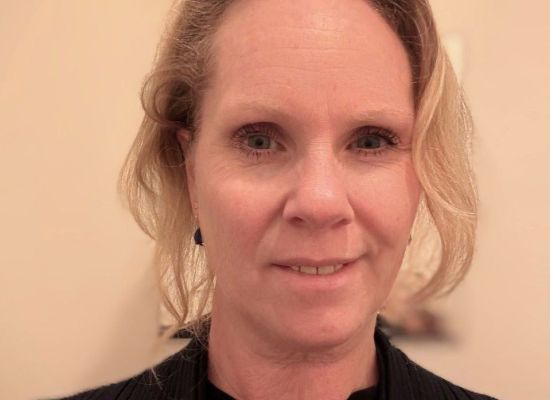
In 2024, RINIS Foundation’s management team was joined by three new managers. How do they look back at their first one hundred days in the Foundation’s employ? We spoke to Project Implementation manager Sabeth van Wijnbergen as the first of the new recruits. “The spider-in-the-web nature of the job is what makes it fun and challenging.”
What was it that appealed to you in this post at RINIS?
“The role of Project Implementation manager is a new one at RINIS and I thought it would be interesting to be allowed to lend shape to the job as I see fit. I have hands-on experience with organisational development and change, and affinities with IT as a discipline. Another thing that appealed to me is the fact that there is a great deal I can learn here. During the application interviews, I found there was a lot of interest in me as a person: in who I am, the way I view leadership and what I find to be important. The combination of the challenging role and the personal connection was what clinched it for me to climb on board.”
So what did you make of your first hundred days on the job?
“Well, they simply flashed by, which is a good sign. RINIS’s mission is a pretty big one, which fills me and my colleagues with a sense of urgency and enthusiasm. I can't help but notice everyone here is focused on working shoulder to shoulder, achieving success together. I like that. At the outset, I felt a little like Alice in Wonderland. What exactly is it that we are doing? What is the best way for us to pool our strengths? Which processes do we design and organise? Things we are now tackling step by step, which I'm happy to say is working out well.”
What does your job as a Project Implementation manager entail?
"I think of myself as a connector. My job is to connect various departments and to make sure that processes, lines of communication and the collaboration all run smoothly. The way I see it, we are collaborating inside a matrix structure: account management and the innovation department come up with new questions and new ideas. These are translated into projects, which we at project implementation deliver and which are ultimately managed by the management department as a service. I create the right conditions and provide support for my team, enabling them to do a good job. This spider-in-the-web nature of the job is what makes it fun and challenging.”
What exactly did you do during those first one hundred days in a practical sense?
“My focus during those first hundred days went out to getting to know the people, absorbing information and laying the groundwork for a solid foundation. In amongst other things, this meant reflecting on things and doing a bit of sparring about portfolio management: which projects take priority, what are the resources that are needed? Are they in keeping with RINIS' strategic goals? And how does this tie in with the available resources? We are also in the process of beefing up our team; vacancies have been posted and we’ve got a nice team of talented workers. Plus we are also attracting cool people. In doing so, we are slowly but surely building a solid team made up of old hands and new recruits.”
What are some of the key projects you spent time working on during your first 100 days?
“Actually, this covers pretty much all projects, but allow me to pick out just two. These are projects that are all about continuity and innovation, which are characteristic of the things we do at RINIS. We are currently working with various participants on launching the RINIS Cloud Hub. This will allow participants and clients that use a cloud infrastructure to continue to securely exchange data over this hub. Another wonderful new project is our new computer centre. One particular piece of information of interest is that the computer centre has a better sustainability profile. I believe that, as an organisation, we do well to be alive to this aspect.”
If we were to meet up again 100 days from now, what kind of things do you think you will have achieved?
"I would hope that we have a robust portfolio management structure in place by then, where we know exactly where we are at and where we are headed. I can picture us having a good team up and running by then that is working on some nice quality projects, where we strike the right balance between innovation and continuity. And, perhaps most importantly, I can envision us all continuing to greatly enjoy what we are doing.”